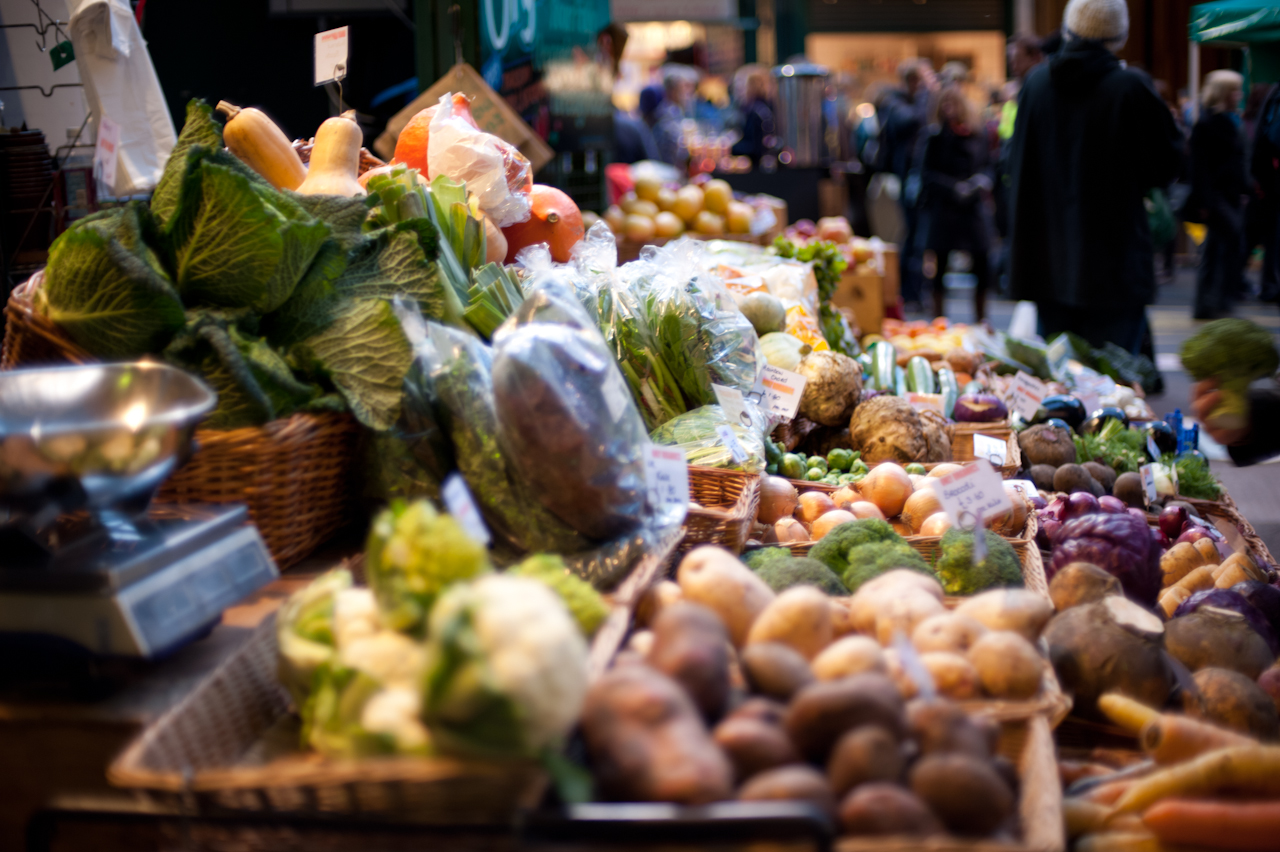
When comparing two direct-sale offers, start with one simple question: what exactly does the price refer to? A figure may apply to one kilogram, one item, a prepared bundle or a packet of a stated weight. Until that unit is clear, comparing the numbers alone tells you very little.
In France, when a professional sells to a consumer, the price must be stated clearly in euros and include all taxes. Price-information rules apply across different forms of sale. They do not prevent producers from setting their own prices; their main purpose is to let buyers understand what they will pay and for what quantity.
Identify the pricing unit first
Four formats are common at stalls, farm shops and in listings:
- Price by weight or volume: for example, €3.20 per kilogram or €2 per litre. The unit must appear with the figure. For goods sold loose, the unit price — or an item price where that is the appropriate way to sell the product — should be placed close to the product.
- Price per item: this applies to a counted unit such as a squash or a bunch. Two items may differ in size, so an item price alone does not always make their quantities directly comparable.
- Bundle price: the sign should make the price and the bundle’s composition understandable. Check the number of products, the varieties and, where stated, the total quantity.
- Prepacked product: for many foods, the selling price is accompanied by a unit price, usually per kilogram or litre. Technical exceptions exist; the key is not to confuse the packet price with the reference price used for comparison.
The total price and the comparison price answer different questions
The total price tells you what you will pay for the quantity supplied. The unit price puts different offers onto a common basis. If carrots cost €2.40 per kilogram and your bag weighs 750 grams, the calculated price is €1.80. That calculation only works if the measured quantity really is 750 grams.
For two prepacked bags, compare the price per kilogram rather than only the large figure on the label. A small bag can cost less overall while being more expensive per kilogram. Conversely, a larger bundle is not automatically good value if part of it is likely to go unused.
Comparison does not mean automatically choosing the lowest number. Variety, size, ripeness, production method, origin and service can all explain differences. First compare offers on the same unit, then decide which other qualities matter to you.
At the weighing stage, check the net quantity
French rules for loose sales require a legal measuring instrument when goods are sold by weight. As a buyer, check the displayed unit, the measured weight and the final amount. If you bring your own container, ask how its weight is removed from the calculation. This tare prevents the jar, bag or box from being charged at the product’s price.
This complements our guide to bringing your own container for direct sales. The container must be suitable for the food; understanding the price is a separate matter of net quantity and unit.
A bundle should remain understandable
A “€12 produce box” can only be compared with another offer if its contents are described well enough. How many products does it contain? Is it sold as counted items, a stated weight or a variable assortment? If the contents change with the harvest, ask what is included that day before confirming.
Any refundable deposit should also be considered separately from the product price. Check whether it is included or added, which container must be returned and under what conditions it is refunded. The aim is to know the amount due at handover without confusing the purchase with a refundable deposit.
Professional or private seller: do not mix the frameworks
The consumer-protection texts cited here govern offers made by professionals to consumers. An occasional sale between private individuals does not necessarily fall under the same duties. Clarity is still useful in every case: “€2 each”, “€3 per kilo” or “€8 for a bundle of four” avoids disagreements.
Before an exchange on Seeed, review the marketplace rules for selling, giving and swapping, then confirm the unit, quantity and final amount with the other person. You can also browse products available near you to find local offers; Seeed does not replace the information a seller must provide about their offer.
A five-question check
- Does the amount apply to a kilogram, litre, item, bundle or specific packet?
- Is the total amount due clear and expressed in euros?
- For goods sold by weight, are the measured quantity and container tare understandable?
- For a bundle, are its contents and number of units stated?
- Are you comparing the same unit before weighing up other qualities?
With these five checks, the display becomes a decision tool rather than a row of figures. You know what is being sold, how the price is calculated and which questions to ask before the product changes hands.
Sources
- French consumer authority (DGCCRF) — Price information
- DGCCRF — Rules for goods sold loose
- Légifrance — Order of 3 December 1987 on consumer price information
- Légifrance — Order of 16 November 1999 on unit pricing for certain prepacked products
- EUR-Lex — Directive 98/6/EC on price indications
Photo: “BoroughMarketVegetableStall.jpg”, Jack Gavigan, via Wikimedia Commons, licensed under CC BY-SA 3.0, unmodified.